
A wrong, a duty, a deadline.
Colorado Tort Law Guide
An independent, plain-English guide to how injury and harm claims work under Colorado law: what a tort is, how fault gets measured, which statutes cap damages, and how long you have to act.
What a tort is
A civil wrong that a court can answer with money.
Tort law decides who pays when one person's conduct injures another. It is separate from criminal law: the same punch can lead to a criminal charge brought by the state and a tort claim brought by the person who was hit, and the two cases run on different rules and different burdens of proof.
Colorado tort law is a mix of court decisions and statutes in Title 13 of the Colorado Revised Statutes. The statutes matter more than people expect, because they set the deadlines, the damage caps and the fault rules that decide most real cases.
tort (n.), from Latin tortum, "twisted": conduct that bends away from what the law expects, other than a broken contract, for which a court may award damages.
Section 01 / Negligence
Four elements, then one percentage.
Most Colorado tort claims are negligence claims. The injured person has to prove all four elements. Then a jury assigns fault, and that percentage can shrink the award or erase it.
-
01
Duty.
Did the defendant owe you reasonable care? Drivers, store owners and manufacturers usually do. Some duties are set by statute, like the visitor categories in the Premises Liability Act.
-
02
Breach.
Did they fall short of what a reasonably careful person would have done in the same spot? Safety codes, industry practice and the defendant's own policies are common yardsticks.
-
03
Causation.
The breach has to have actually caused the harm and be close enough to it that the law will connect them. This is where pre-existing conditions get argued.
-
04
Damages.
Real, provable loss: medical bills, lost income, pain, impairment. A careless act that hurts no one is not a tort claim.
-
05
Fault.
Colorado compares everyone's negligence. At 50% or more, the injured person recovers nothing. C.R.S. 13-21-111





Section 02 / Claim types
Where Colorado tort claims usually start
Each guide covers one statute or doctrine in depth, names the section it relies on, and ends with the questions worth asking a lawyer.
-
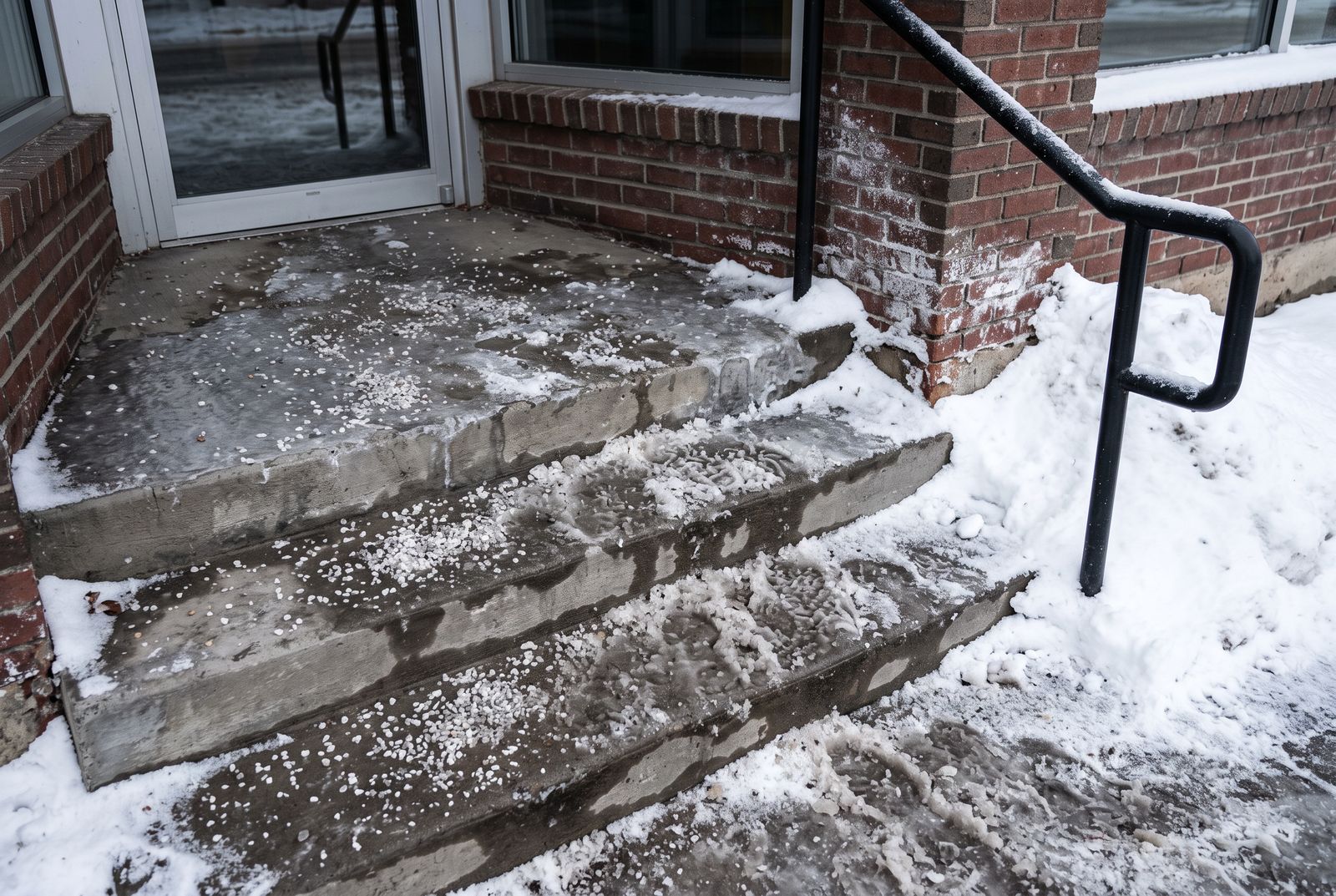
Slip on an icy entry, fall through a rotten deck, get hurt in a parking lot: the Colorado Premises Liability Act decides what the owner owed you based on why you were there. C.R.S. 13-21-115
Read the premises liability guide -
When a product injures someone, the claim usually turns on one of three defects: how it was made, how it was designed, or what the label failed to say. C.R.S. 13-21-401 to 406
Read the product liability guide -
Colorado makes owners strictly liable for economic damages when a bite causes serious bodily injury, with exceptions that knock many cases back to ordinary negligence. C.R.S. 13-21-124
Read the dog bite law guide -
One action per death, a strict order for who may bring it, and a separate cap on noneconomic damages that changed for claims accruing in 2025. C.R.S. 13-21-201 to 204
Read the wrongful death guide -
Economic, noneconomic, impairment, exemplary. Which are capped, by how much, and the statutes of limitation that end claims before they start. C.R.S. 13-21-102.5, 13-80-102
Read about damage caps and deadlines -
Notice, insurance, filing, disclosures, depositions, mediation and trial, in the order they usually happen in Colorado courts. C.R.C.P. 16.1, 26
Read the claim process guide
Try it / Comparative fault
How shared fault changes a Colorado award
Insurers rarely say "you get nothing." They say "you were partly responsible." Under Colorado's modified comparative negligence statute, that argument is worth real money, and at 50% it is worth all of it.
Move the slider to see how a jury's fault split changes a hypothetical verdict. The math is the easy part; the fight is over the percentage.
How juries assign fault percentagesIllustration only. Real cases add damage caps, multiple defendants, nonparties at fault and settlement credits.
Section 03 / Process
How a Colorado injury claim usually moves
Most tort claims settle. The ones that do not follow a fairly predictable path through the Colorado Rules of Civil Procedure.
- 01
Get care and preserve evidence
Medical records made close to the event carry weight later. So do photos of the scene, the product kept in its failed condition, and names of witnesses written down the same week.
- 02
Notice and insurance
Most claims start as an insurance claim, not a lawsuit. Against a public entity, a written notice within 182 days is a precondition to suing at all.
C.R.S. 24-10-109 - 03
Demand and negotiation
Once treatment stabilizes, the claimant's side usually sends a demand with records and bills. Many claims end here, well before any court filing.
- 04
Filing the complaint
If talks stall, a complaint is filed in county or district court before the statute of limitations runs. The defendant generally has 21 days after service to respond.
C.R.C.P. 12(a) - 05
Disclosures and discovery
Colorado requires early mandatory disclosures, followed by written questions, document requests and depositions. Cases seeking $100,000 or less may use simplified procedure.
C.R.C.P. 26, 16.1 - 06
Mediation
Colorado courts commonly send civil cases to mediation or another form of alternative dispute resolution before trial, and many cases settle there.
- 07
Trial and judgment
A jury decides liability, fault percentages and damages. The court then applies the statutory caps and comparative fault reduction to the verdict.
Section 04 / Before you hire anyone
Questions to ask a Colorado lawyer
A first meeting goes better when you bring the right questions. These four topics decide most tort cases. Hover or tap a cell to see what to ask about each one.
Colorado tort law: common questions
Is this website a law firm?
No. Colorado Tort Law is an independent legal information resource. Nobody here represents you, reviews your facts or gives legal advice, and sending a message through the site does not create an attorney-client relationship. The guides explain how Colorado tort law works in general so you can have a better conversation with a licensed Colorado attorney.
What counts as a tort in Colorado?
A tort is a civil wrong, other than a broken contract, that a court can remedy with money damages. Most claims fall into three families: intentional torts such as battery, negligence (carelessness), and strict liability, where fault does not have to be proved, as with some dog bites and defective products.
How long do I have to file a tort claim in Colorado?
The general rule for tort actions is two years under C.R.S. 13-80-102(1)(a). Motor vehicle negligence claims generally get three years, many intentional torts only one, and claims against a public entity need a written notice within 182 days. The Colorado deadlines guide walks through each one and the exceptions that move the date.
Does Colorado limit how much an injured person can recover?
Yes, for some categories. Noneconomic damages such as pain and suffering are capped by statute, and the cap rose sharply for claims accruing on or after January 1, 2025 under House Bill 24-1472. Economic losses such as medical bills and lost wages are not capped by that statute. Details and dates are in the Colorado damage caps guide.
What if I was partly at fault?
Colorado uses modified comparative negligence. Your recovery is reduced by your percentage of fault, and if your fault is equal to or greater than the fault of the people you are suing, you recover nothing. Try the numbers in the comparative fault tool.
No questions match that filter.
Still have a question?
Ask about a topic, or tell us what a guide is missing.
The inquiry form is for general questions and corrections. It is not a way to get legal advice about your case, so please leave out confidential details.
Send a general inquiryHurt in a car crash? Vehicle collisions have their own deadline (generally three years) and insurance rules. This site covers them only briefly; a separate guide focused on Denver auto accident claims goes deeper.